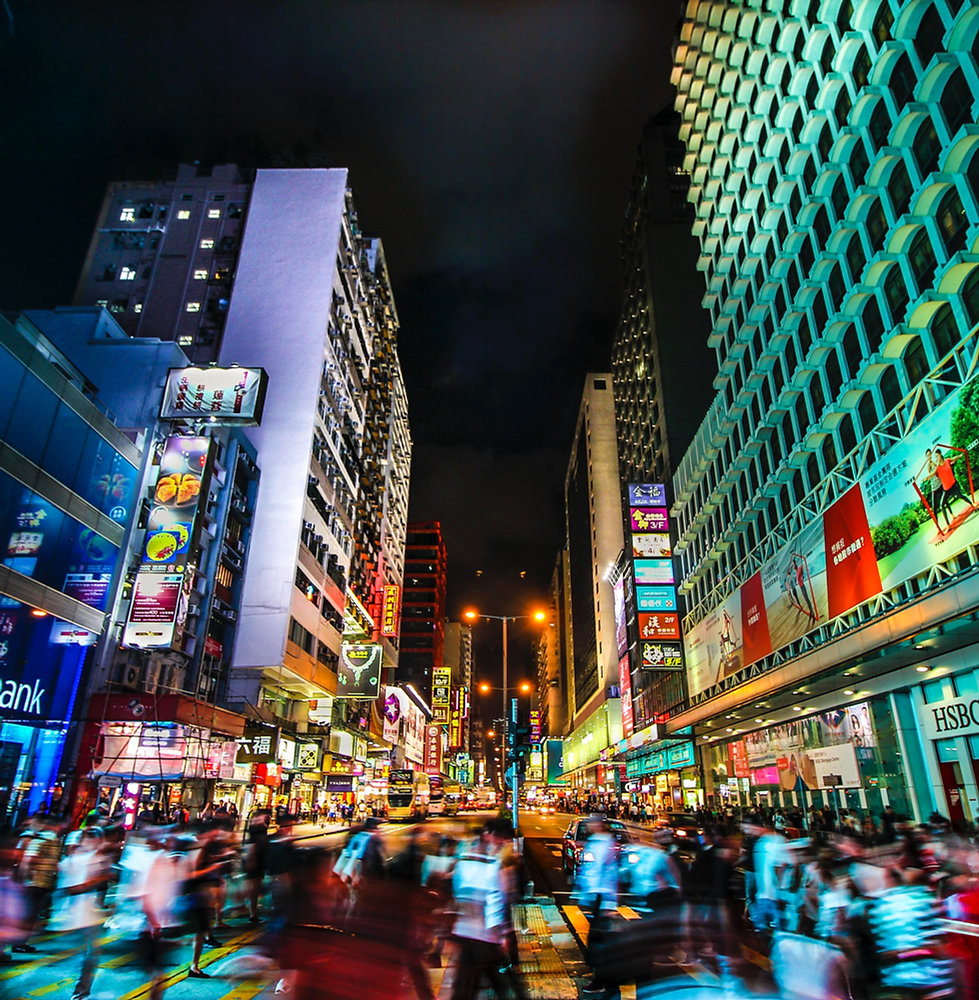
Hong Kong's first official Comic Con runs 29–31 May 2026 at the Hong Kong Convention and Exhibition Centre. Beyond the cosplay and the artist alley, it's a marker: the city's pop-culture economy is real, and so is the chance to build a collectibles, merch, or creator business on top of it. Here's what to expect — and what to look out for.
This weekend, the Hong Kong Convention and Exhibition Centre (HKCEC) in Wan Chai hosts something the city has never had before: its own official Comic Con. For three days, fans, cosplayers, artists, and collectors fill the halls — and for anyone who builds a business around pop culture, it's worth paying attention to more than the panels. A first-of-its-kind event on this scale is a signal that there's an audience, a market, and momentum here.
This isn't a "quit your job and sell figures" pitch. Most of the people walking the floor are there to enjoy it, and that's exactly as it should be. But if you already sell collectibles, run a merch line, create comics or art, or you're an operator eyeing the events-and-retail side of Hong Kong's creative economy, the question worth asking is: what would it take to turn this energy into a real, properly-structured business? That's the part we can help with.
What's Happening: Hong Kong's First Official Comic Con
The headline is simple — this is Hong Kong's inaugural official Comic Con, and it's running across a full weekend at the city's main exhibition venue. The essentials:
- Dates: 29–31 May 2026, across Friday, Saturday, and Sunday.
- Venue: the Hong Kong Convention and Exhibition Centre (HKCEC) in Wan Chai — the same district that's home to a lot of the city's business and professional services.
- Hours: Friday and Saturday from 10am to 8pm, and Sunday from 10am to 7pm.
- Status: a first-of-its-kind official edition for Hong Kong, rather than a returning annual fixture — which is exactly why it matters as a market signal.
For tickets, the full programme, and the latest announcements, the official source is the event's own site at hkcomiccon.com. The line-up is still being announced as the event approaches, so check there for confirmed details rather than relying on rumours.
What to Expect on the Floor
If you've been to a major comic convention elsewhere, the shape will feel familiar; if this is your first, here's the broad layout to expect. The event centres on a few core experiences:
- An immersive exhibition floor: a showcase of pop culture and works from blockbuster studios, designed to be walked through rather than just browsed.
- Celebrity meet-and-greets: opportunities to meet guests in person — with the specific line-up confirmed on the official site closer to the dates.
- An artist alley: a dedicated space featuring international publishers and top comic titles, where creators and sellers sit directly with fans.
- A weekend rhythm: longer Friday and Saturday hours for the deep-dive crowd, and a slightly shorter Sunday to close things out.
The two tracks that matter most commercially are the exhibition and the artist alley — and they're not just for browsing. They're the parts of the event a business can actually participate in, which is where the opportunity starts to take shape.
Why It's a Real Business Opportunity
A first official Comic Con doesn't appear in a vacuum. It lands because Hong Kong's creative economy — pop culture, collectibles, anime and manga goods, designer toys, comics, and the merch around all of it — has reached a scale that justifies an event like this. For founders, that's the real story. A few of the directions it opens up:
- Selling collectibles and merch globally: Hong Kong is a long-established trading and logistics hub, which makes it a natural base for a business shipping figures, toys, comics, or fan goods to customers worldwide.
- Exhibiting and building a brand: the exhibition booth and artist alley tracks let a product business or a creator put their work in front of thousands of engaged buyers in one weekend.
- Building an IP or creator business: artists, illustrators, and small studios can turn a following into a licensed, monetised operation — merchandise, print runs, commissions, and collaborations.
- Riding the events-and-retail wave: for expat operators in F&B, retail, or events, a growing pop-culture calendar means more foot traffic, more pop-up opportunities, and more reasons to base a venture in the city.
Hong Kong is a genuinely good place to put a business like this. A company here is internationally recognised, sits beside mainland China and the Greater Bay Area manufacturing base, and operates under a simple, low profits tax regime. For the e-commerce side specifically, our guide on why Shopify sellers set up in Hong Kong walks through how the structure handles multi-currency sales and overseas suppliers.

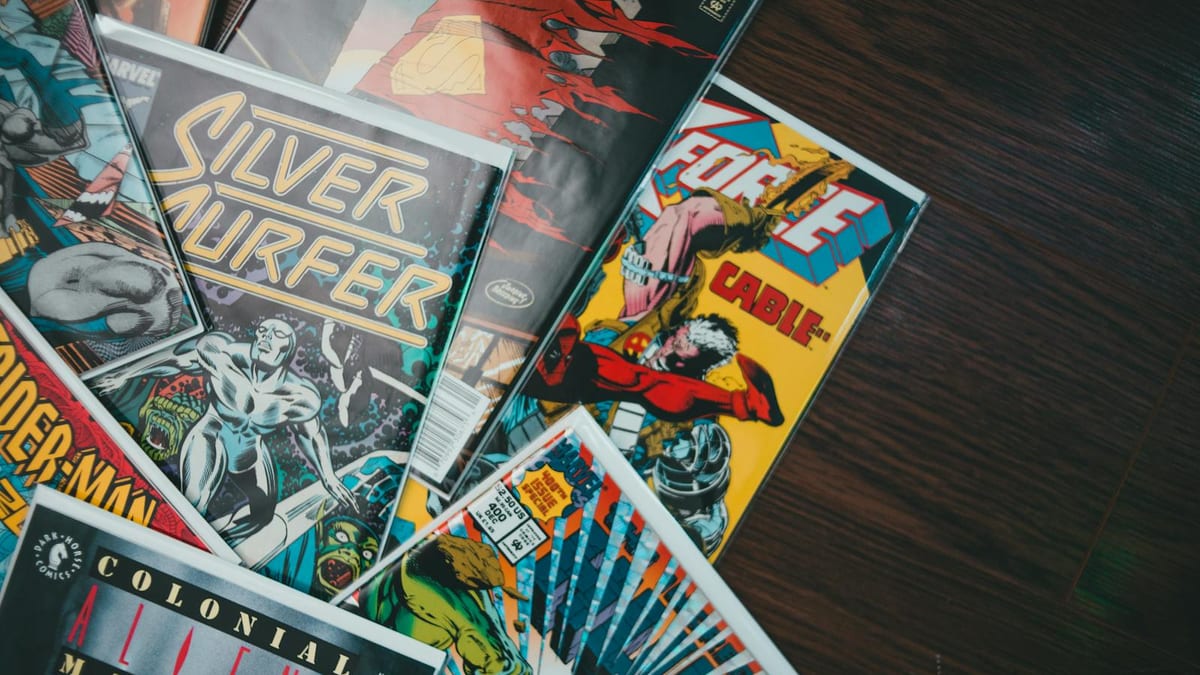
Photo: Jonathan Cooper / Pexels
What to Look Out For
Enthusiasm is the easy part. Turning a passion into a business that lasts means being honest about the commercial realities — and there are a few worth flagging before you commit. The cautions we'd raise:
- Licensing and IP rights: selling merch tied to someone else's characters or brand without the rights is a fast way to legal trouble. Build on IP you own or are properly licensed to use.
- Margins after costs: event booth fees, stock, shipping, and platform fees all eat into the headline revenue — model the real numbers before banking on a profit.
- Seasonality and hype: convention buzz spikes around the event and fades after. A durable business needs a year-round channel, not just a weekend.
- Importing and selling abroad: if you bring in stock from overseas or sell collectibles into other countries, import duties and overseas sales-tax treatment depend entirely on the markets involved — get qualified local advice for each one. We'll keep your Hong Kong side clean and leave the foreign-market rules to advisors there.
- Mixing hobby and business money: the moment real revenue starts flowing, running it through a personal account becomes a bookkeeping and liability headache — a company solves that cleanly.
None of these are reasons not to start. They're the reasons to start properly — with the right structure under you from the beginning rather than retrofitting one after the orders pile up.
Turning the Buzz Into a Business: The Hong Kong Company
If the weekend convinces you there's a real venture here, the foundation is a Hong Kong private limited company — a separate legal entity that contracts in its own name, holds multi-currency accounts, and gives you limited liability and credibility from day one. Here's what setting one up with us actually involves:
- All Hong Kong government fees — HK$3,895 at incorporation (HK$1,545 Companies Registry electronic incorporation fee plus the HK$2,350 one-year Business Registration Certificate (BR), including the HK$150 Levy reinstated 1 April 2026). One transparent fee to us; no markup on government rates.
- Incorporation in 3–5 working days, with Forms NNC1 and IRBR1 filed by us with the Companies Registry (CR) and the Inland Revenue Department (IRD).
- A registered office in Wan Chai and the statutory company secretary role — included from day one, no separate engagement and no need to fly to Hong Kong.
- Banking introductions: we assemble the application package and introduce you to our digital and traditional banking partners for the multi-currency account that handles global merch and collectibles sales.
- Low, simple tax: a two-tier profits tax of 8.25% on the first HK$2 million of assessable profits and 16.5% above that, charged on profits (not turnover) — your stock, shipping, and booth costs reduce the base.
- Ongoing compliance handled: our in-house accounting and audit team keeps the bookkeeping clean and the annual filings on time, so the first-year audit is a non-event.
For the full picture of how we support online sellers specifically — payments, suppliers, and the cross-border setup — see our e-commerce service page. And if you're at the earlier "is this even a business yet?" stage, our guide on going from an Etsy side-hustle to a real company covers the timing honestly.
Book a Free Consultation
The hard part isn't the paperwork — it's deciding whether your idea has the legs to justify a real entity, and getting the structure right for how you'll actually sell. That's a conversation, not a form. If the Comic Con buzz has you thinking seriously about a collectibles, merch, or creator business, the right first step is a free consultation where we map your specific situation — your products, your markets, and your plans — and tell you honestly what setting up in Hong Kong would look like. Book a free consultation with our Hong Kong team and we'll walk you through the incorporation, the banking introduction, and the accounting, end to end.
The Bottom Line
Hong Kong's first official Comic Con is a fun weekend — and a genuine signal. The city's pop-culture and creative economy has the scale to support real businesses: collectibles sellers shipping worldwide, creators monetising their IP, and operators riding a growing events-and-retail calendar. The opportunity is real, and so are the cautions — licensing, margins, seasonality, and the foreign-market rules that sit outside Hong Kong's lane.
Get the foundation right and a Hong Kong company quietly handles the unglamorous parts — the entity, the multi-currency banking, the tax, and the compliance — so you can focus on the products and the fans. We set up the company, introduce the banking, and run the accounting; you build the business the buzz is pointing to. When you're ready to turn the weekend into something lasting, we're a free consultation away.